

Adsorption selectivity is a critical property when it comes to Carbon Molecular Sieve -JXF, which we, as a dedicated supplier, are eager to share with you. In this blog, we will delve into what adsorption selectivity means for Carbon Molecular Sieve -JXF, its influencing factors, and its significance in various applications.
Understanding Adsorption Selectivity
Adsorption selectivity refers to the ability of a adsorbent, in this case, Carbon Molecular Sieve -JXF, to preferentially adsorb certain molecules over others from a gas mixture. This property is fundamental in separation processes, where different components of a gas mixture need to be separated based on their molecular size, shape, and polarity.
Carbon Molecular Sieve -JXF has a unique pore structure that allows it to distinguish between different gas molecules. The pores in the carbon molecular sieve are in the range of micropores, typically less than 2 nanometers in diameter. These micropores act as a molecular sieve, allowing smaller molecules to enter and be adsorbed while excluding larger ones.
For example, in the separation of nitrogen and oxygen from air, Carbon Molecular Sieve -JXF can selectively adsorb oxygen molecules, which are smaller and more polar than nitrogen molecules. As a result, nitrogen can be obtained as the non - adsorbed product with a high degree of purity.
Factors Affecting Adsorption Selectivity of Carbon Molecular Sieve -JXF
Pore Size Distribution
The pore size distribution of Carbon Molecular Sieve -JXF is one of the most important factors influencing its adsorption selectivity. A well - controlled pore size distribution ensures that only molecules within a certain size range can enter the pores. If the pore size is too large, the sieve will lose its selectivity as larger molecules can also be adsorbed. On the other hand, if the pore size is too small, the adsorption capacity for the target molecules may be reduced.
Our company offers different grades of Carbon Molecular Sieve -JXF, such as Carbon Molecular Sieve-JXSEP®HG - 110 and JXSEP®LG - 610 Carbon Molecular Sieve, which have different pore size distributions optimized for specific separation applications.
Surface Chemistry
The surface chemistry of Carbon Molecular Sieve -JXF also plays a role in adsorption selectivity. The surface of the carbon molecular sieve can have functional groups that interact differently with various gas molecules. For instance, polar functional groups on the surface can enhance the adsorption of polar molecules. By modifying the surface chemistry, we can tailor the adsorption selectivity of the sieve to meet different separation requirements.
Operating Conditions
Operating conditions such as temperature, pressure, and gas flow rate can significantly affect the adsorption selectivity of Carbon Molecular Sieve -JXF. Generally, lower temperatures favor adsorption as the kinetic energy of the gas molecules is reduced, making it easier for them to be captured by the adsorbent. Higher pressures also increase the adsorption capacity and selectivity by increasing the gas concentration near the adsorbent surface.
However, the optimal operating conditions vary depending on the specific separation process and the gas mixture being treated. Our technical team can provide detailed guidance on the operating conditions for different applications of our Carbon Molecular Sieve -JXF products.
Significance of Adsorption Selectivity in Applications
Nitrogen Generation
As mentioned earlier, the selective adsorption of oxygen over nitrogen by Carbon Molecular Sieve -JXF is crucial in nitrogen generation from air. Nitrogen is widely used in industries such as food packaging, electronics manufacturing, and chemical processing. High - purity nitrogen can prevent oxidation, explosion, and corrosion, ensuring product quality and safety. Our Carbon Molecular Sieve-JXSEP®HG - 110ES is specifically designed for high - efficiency nitrogen generation, offering excellent adsorption selectivity and long - term stability.
Hydrogen Purification
In the production of hydrogen, Carbon Molecular Sieve -JXF can be used to separate hydrogen from other gases such as carbon monoxide, carbon dioxide, and methane. By selectively adsorbing these impurities, high - purity hydrogen can be obtained, which is essential for fuel cell applications and other high - tech industries.
Natural Gas Treatment
Natural gas contains various components such as methane, ethane, propane, and impurities like carbon dioxide and water. Carbon Molecular Sieve -JXF can selectively adsorb the impurities and heavier hydrocarbons, allowing for the purification and upgrading of natural gas. This improves the energy efficiency and reduces the environmental impact of natural gas utilization.
How Our Carbon Molecular Sieve -JXF Ensures High Adsorption Selectivity
Our Carbon Molecular Sieve -JXF is produced using advanced manufacturing processes that ensure precise control of pore size distribution and surface chemistry. We start with high - quality carbon precursors and use a combination of activation and carbonization techniques to create a uniform and well - defined pore structure.
During the production process, we conduct strict quality control measures to ensure that each batch of Carbon Molecular Sieve -JXF meets our high standards of adsorption selectivity and performance. Our products are also continuously tested and optimized based on customer feedback and the latest research findings.
Contact Us for Your Carbon Molecular Sieve -JXF Needs
If you are looking for a reliable supplier of Carbon Molecular Sieve -JXF with high adsorption selectivity, we are here to help. Our team of experts can provide you with detailed product information, technical support, and customized solutions to meet your specific separation requirements. Whether you are in the nitrogen generation, hydrogen purification, or natural gas treatment industry, our Carbon Molecular Sieve -JXF products can offer you excellent performance and cost - effectiveness.

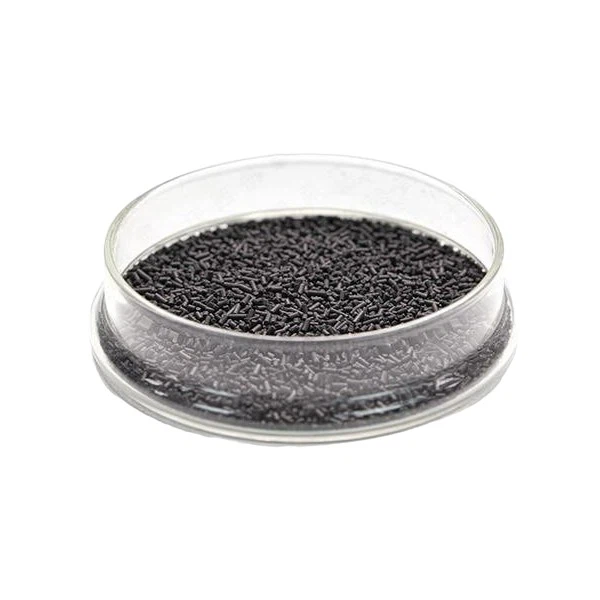
Don't hesitate to contact us for more information and to start a procurement negotiation. We look forward to establishing a long - term partnership with you.
References
- Ruthven, D. M. (1984). Principles of Adsorption and Adsorption Processes. John Wiley & Sons.
- Yang, R. T. (1997). Gas Separation by Adsorption Processes. World Scientific.
- Sircar, S., & Golden, T. C. (2005). Adsorption and Ion Exchange: Fundamentals and Applications. Marcel Dekker.