

As a supplier of Carbon Molecular Sieve - 330, I am often asked about the environmental impact of its production process. In this blog post, I will delve into the various aspects of this topic, providing a scientific and in - depth analysis.
1. Introduction to Carbon Molecular Sieve - 330
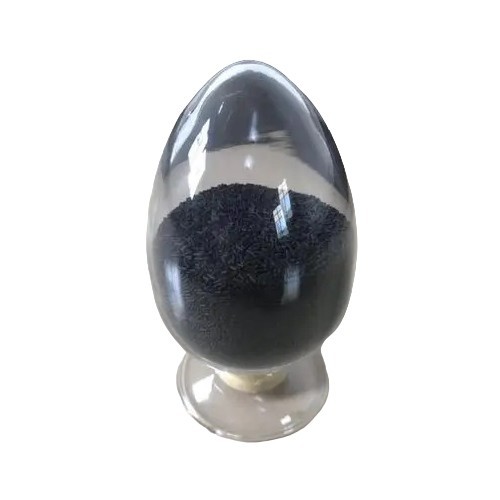
Carbon Molecular Sieve - 330 is a high - performance adsorbent material widely used in gas separation processes, especially for nitrogen production from air. It has a unique pore structure that allows it to selectively adsorb oxygen molecules while allowing nitrogen to pass through, enabling efficient separation of these two major components of air. Our company offers a range of carbon molecular sieves, including Carbon Molecular Sieve - JXSEP®HG - 110, JXSEP HG - 90 Carbon Molecular Sieve, and Carbon Molecular Sieve - JXSEP®HG - 110ES, each with its own set of properties and applications.
2. Raw Materials and Their Environmental Impact
The production of Carbon Molecular Sieve - 330 starts with raw materials, typically coal, coconut shell, or phenolic resin.
Coal
Coal is a non - renewable fossil fuel. Its extraction has significant environmental impacts. Mining operations can lead to deforestation, soil erosion, and water pollution. The release of heavy metals such as mercury, lead, and arsenic during coal mining can contaminate water sources, posing risks to human health and aquatic ecosystems. Moreover, coal mining often involves the destruction of natural habitats, leading to a loss of biodiversity.
Coconut Shell
Coconut shell is a renewable resource. Its use in carbon molecular sieve production has a relatively lower environmental impact compared to coal. Coconut trees are widely grown in tropical regions, and using their shells as a raw material provides an additional source of income for farmers. However, large - scale collection of coconut shells may still have some local environmental impacts, such as changes in waste management patterns in coconut - producing areas if not properly regulated.
Phenolic Resin
Phenolic resin is a synthetic material. The production of phenolic resin involves chemical reactions that may release volatile organic compounds (VOCs). VOCs are harmful air pollutants that can contribute to the formation of ground - level ozone, a major component of smog. Exposure to high levels of VOCs can cause respiratory problems, headaches, and eye irritation in humans.
3. Energy Consumption in the Production Process
The production of Carbon Molecular Sieve - 330 is an energy - intensive process. It typically involves steps such as carbonization, activation, and post - treatment.
Carbonization
Carbonization is the process of heating the raw material in the absence of oxygen to convert it into a carbon - rich material. This process requires a significant amount of heat energy, usually provided by burning fossil fuels such as coal or natural gas. The combustion of fossil fuels releases large amounts of carbon dioxide (CO₂), a greenhouse gas that contributes to global warming. In addition, it also releases other pollutants such as sulfur dioxide (SO₂) and nitrogen oxides (NOₓ), which can cause acid rain and air pollution.
Activation
Activation is used to create the desired pore structure in the carbon material. It often involves high - temperature treatment with steam or chemical agents. Similar to carbonization, activation also consumes a large amount of energy. The energy consumption in this step not only contributes to greenhouse gas emissions but also puts pressure on energy resources.
4. Waste Generation and Disposal
During the production of Carbon Molecular Sieve - 330, several types of waste are generated.
Solid Waste
Solid waste includes unreacted raw materials, by - products from the carbonization and activation processes, and defective products. If not properly managed, solid waste can take up large amounts of landfill space. Some of the solid waste may contain heavy metals or other contaminants that can leach into the soil and groundwater, causing soil and water pollution.
Liquid Waste
Liquid waste may be generated from processes such as washing and cleaning. This waste can contain chemical agents, dissolved solids, and other pollutants. Discharging untreated liquid waste into water bodies can have severe impacts on aquatic ecosystems, including the death of fish and other aquatic organisms, and the disruption of the food chain.
5. Mitigation Measures
To reduce the environmental impact of Carbon Molecular Sieve - 330 production, our company has implemented several mitigation measures.
Raw Material Selection
We are gradually increasing the use of renewable raw materials such as coconut shell. By doing so, we can reduce our dependence on non - renewable fossil fuels and lower the overall carbon footprint of our products.
Energy Efficiency Improvements
We are investing in research and development to improve the energy efficiency of our production processes. This includes the use of advanced heating technologies and the recovery of waste heat. For example, we are exploring the use of heat exchangers to capture and reuse the heat generated during carbonization and activation processes, which can significantly reduce energy consumption and greenhouse gas emissions.
Waste Management
We have established a comprehensive waste management system. Solid waste is recycled or reused whenever possible. For example, unreacted raw materials can be sent back to the production process, and defective products can be re - processed. Liquid waste is treated using advanced water treatment technologies to remove pollutants before being discharged.
6. Conclusion and Call to Action
In conclusion, the production of Carbon Molecular Sieve - 330 has several environmental impacts, mainly related to raw material extraction, energy consumption, and waste generation. However, through proper management and the implementation of mitigation measures, these impacts can be significantly reduced.

We are committed to sustainable production practices and are constantly looking for ways to further minimize the environmental impact of our products. If you are interested in purchasing Carbon Molecular Sieve - 330 or any of our other products, we invite you to contact us for a detailed discussion on our products and our commitment to environmental sustainability. Let's work together to balance the need for high - performance materials with environmental protection.
References
- [Author, A. B. (Year). Title of the book. Publisher.]
- [Author, C. D. (Year). Title of the research paper. Journal name, Volume(Issue), Page numbers.]
- [Author, E. F. (Year). Title of the report. Organization name.]