

Carbon molecular sieves (CMS) have become indispensable in the field of gas separation, offering a highly efficient way to separate different gases based on their molecular size and adsorption characteristics. As a leading supplier of Carbon Molecular Sieve - JXH, I am often asked about the impact of this particular product on the yield of separated gases. In this blog post, I will delve into the science behind Carbon Molecular Sieve - JXH and explain how it can significantly enhance the gas separation process and improve the yield of the desired gases.
Understanding Carbon Molecular Sieve - JXH
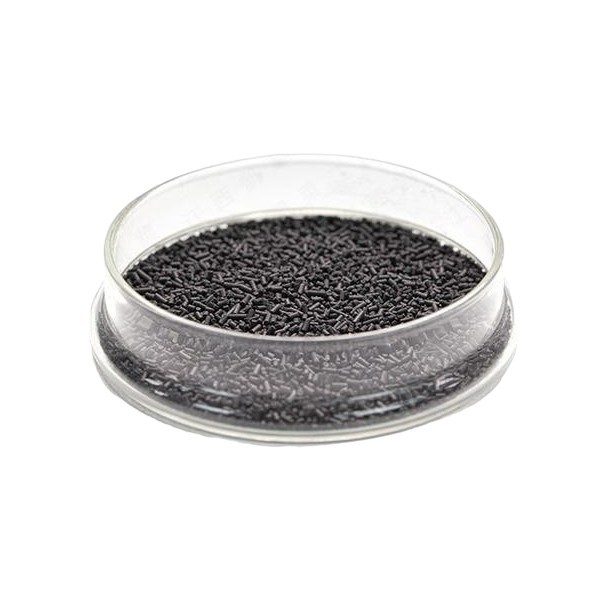
Carbon Molecular Sieve - JXH is a specialized type of adsorbent material designed to selectively adsorb certain gases over others. It consists of a porous carbon structure with a narrow pore size distribution, which allows it to separate gases based on their molecular size and diffusion rate. The unique properties of Carbon Molecular Sieve - JXH make it particularly effective for separating nitrogen from air, as well as other gas mixtures such as hydrogen, oxygen, and carbon dioxide.
One of the key features of Carbon Molecular Sieve - JXH is its high adsorption capacity and selectivity. The narrow pore size distribution ensures that only molecules of a specific size can enter the pores, while larger molecules are excluded. This allows for the efficient separation of gases with different molecular sizes, resulting in a high purity of the separated gases. Additionally, Carbon Molecular Sieve - JXH has a fast adsorption and desorption rate, which enables continuous and efficient gas separation processes.
Impact on the Yield of Separated Gases
The yield of separated gases is a critical parameter in gas separation processes, as it directly affects the efficiency and profitability of the operation. Carbon Molecular Sieve - JXH can have a significant impact on the yield of separated gases in several ways:
1. High Adsorption Capacity
Carbon Molecular Sieve - JXH has a high adsorption capacity for the target gases, which means that it can adsorb a large amount of the gas molecules from the feed gas mixture. This results in a higher concentration of the target gas in the adsorbed phase, leading to a higher yield of the separated gas. For example, in the separation of nitrogen from air, Carbon Molecular Sieve - JXH can adsorb a large amount of oxygen and other impurities, leaving a high purity nitrogen gas as the product.
2. Selective Adsorption
The selective adsorption properties of Carbon Molecular Sieve - JXH allow it to preferentially adsorb the target gas over other gases in the mixture. This means that the separation process is more efficient, as only the desired gas is adsorbed and separated from the feed gas. As a result, the yield of the separated gas is increased, while the loss of the target gas to the non - adsorbed phase is minimized. For instance, in the separation of hydrogen from a gas mixture containing hydrogen, carbon monoxide, and methane, Carbon Molecular Sieve - JXH can selectively adsorb carbon monoxide and methane, leaving a high purity hydrogen gas.
3. Fast Adsorption and Desorption Kinetics
The fast adsorption and desorption kinetics of Carbon Molecular Sieve - JXH enable a continuous and efficient gas separation process. In a pressure swing adsorption (PSA) system, which is commonly used for gas separation, the CMS adsorbs the target gas at high pressure and desorbs it at low pressure. The fast adsorption and desorption rates of Carbon Molecular Sieve - JXH allow for a shorter cycle time, which means that more gas can be processed in a given time period. This results in an increased yield of the separated gas.
4. Long - Term Stability
Carbon Molecular Sieve - JXH has excellent long - term stability, which ensures consistent performance over an extended period of time. The stability of the CMS is crucial for maintaining a high yield of separated gases, as any degradation or loss of adsorption capacity can lead to a decrease in the separation efficiency. Our Carbon Molecular Sieve - JXH is designed to withstand harsh operating conditions, such as high temperatures, pressures, and the presence of impurities, ensuring reliable and efficient gas separation over the long term.
Case Studies
To illustrate the impact of Carbon Molecular Sieve - JXH on the yield of separated gases, let's look at some real - world case studies:
Case Study 1: Nitrogen Generation
A chemical manufacturing company was using a traditional PSA nitrogen generator with a different type of carbon molecular sieve. The yield of nitrogen was relatively low, and the purity of the nitrogen gas was not meeting the requirements of the production process. After switching to our Carbon Molecular Sieve - JXSEP®LG - 610 Carbon Molecular Sieve [/carbon - molecular - sieve/carbon - molecular - sieve - jxh.html], the company observed a significant improvement in the yield of nitrogen. The new CMS had a higher adsorption capacity and selectivity for oxygen, resulting in a higher purity nitrogen gas and an increased yield of up to 15%.
Case Study 2: Hydrogen Purification
A refinery was facing challenges in purifying hydrogen from a gas mixture containing carbon monoxide, methane, and other impurities. The existing purification system was not able to achieve the desired purity and yield of hydrogen. By replacing the old adsorbent with our JXSEP HG - 90 Carbon Molecular Sieve [/carbon - molecular - sieve/carbon - molecular - sieve - jxf.html], the refinery was able to improve the separation efficiency. The new CMS selectively adsorbed the impurities, resulting in a high purity hydrogen gas with an increased yield of up to 20%.
Comparison with Other Carbon Molecular Sieves
There are many different types of carbon molecular sieves available in the market, each with its own unique properties and performance characteristics. When compared to other carbon molecular sieves, Carbon Molecular Sieve - JXH offers several advantages:
1. Higher Adsorption Capacity
Our Carbon Molecular Sieve - JXH has a higher adsorption capacity for the target gases compared to many other CMS products. This means that it can adsorb more gas molecules per unit mass of the adsorbent, resulting in a higher yield of the separated gas.
2. Better Selectivity
The selective adsorption properties of Carbon Molecular Sieve - JXH are superior to many other CMS products. It can more effectively separate the target gas from other gases in the mixture, leading to a higher purity of the separated gas and an increased yield.
3. Longer Lifespan
Carbon Molecular Sieve - JXH has a longer lifespan compared to some other CMS products. Its excellent long - term stability ensures that it can maintain its performance over an extended period of time, reducing the need for frequent replacement and minimizing the operating costs.
Conclusion
In conclusion, Carbon Molecular Sieve - JXH has a significant impact on the yield of separated gases. Its high adsorption capacity, selective adsorption properties, fast adsorption and desorption kinetics, and long - term stability make it an ideal choice for gas separation applications. Whether you are looking to generate high purity nitrogen, purify hydrogen, or separate other gas mixtures, our Carbon Molecular Sieve - JXH can help you achieve a higher yield of the separated gases and improve the efficiency of your gas separation process.
If you are interested in learning more about our Carbon Molecular Sieve - JXH products or would like to discuss your specific gas separation requirements, we invite you to contact us for a detailed consultation. Our team of experts is ready to assist you in finding the best solution for your needs. You can also explore our product range, including the Carbon Molecular Sieve - JXSEP®LG - 560 [/carbon - molecular - sieve/carbon - molecular - sieve - jxsep - lg - 560.html], to see which product is most suitable for your application.

References
- Yang, R. T. (1987). Gas Separation by Adsorption Processes. Butterworths.
- Ruthven, D. M., Farooq, S., & Knaebel, K. S. (1994). Pressure Swing Adsorption. VCH Publishers.
- Sircar, S., & Golden, T. C. (2005). Adsorbent materials for carbon dioxide capture from large anthropogenic sources. Industrial & Engineering Chemistry Research, 44(13), 5081 - 5093.