

As a supplier of Carbon Molecular Sieve - JXF, I am committed to providing you with comprehensive safety information about our products. Carbon Molecular Sieve - JXF is a crucial material in various industrial applications, especially in the field of gas separation. In this blog, I will delve into the safety aspects that you should be aware of when handling, storing, and using our Carbon Molecular Sieve - JXF products.
Physical and Chemical Properties
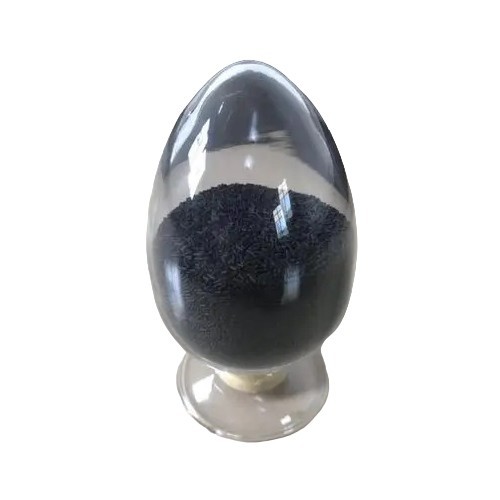
Before discussing safety information, it's essential to understand the physical and chemical properties of Carbon Molecular Sieve - JXF. Our products, such as Carbon Molecular Sieve - JXSEP®HG - 110, JXSEP®LG - 610 Carbon Molecular Sieve, and Carbon Molecular Sieve - JXSEP®HG - 110ES, are typically in the form of black cylindrical pellets. They have a high surface area and excellent adsorption properties, which make them ideal for separating different gases.
Carbon Molecular Sieve - JXF is mainly composed of carbon, with a porous structure that allows it to selectively adsorb certain gas molecules based on their size and shape. The pore size distribution is carefully controlled during the manufacturing process to ensure optimal performance in gas separation applications.
Handling Precautions
When handling Carbon Molecular Sieve - JXF, it's important to take the following precautions to ensure safety:

- Personal Protective Equipment (PPE): Wear appropriate PPE, including safety goggles, gloves, and a dust mask. This will protect you from potential eye irritation, skin contact, and inhalation of dust particles.
- Avoid Inhalation: Carbon Molecular Sieve - JXF can generate fine dust particles during handling. Inhalation of these dust particles may cause respiratory irritation. Therefore, it's crucial to work in a well - ventilated area or use local exhaust ventilation systems to minimize dust exposure.
- Prevent Skin Contact: Direct skin contact with Carbon Molecular Sieve - JXF may cause irritation. If skin contact occurs, immediately wash the affected area with plenty of soap and water. If irritation persists, seek medical attention.
- Avoid Eye Contact: In case of eye contact, immediately flush the eyes with plenty of water for at least 15 minutes, lifting the upper and lower eyelids occasionally. Seek medical attention promptly.
- Handling Procedures: Use appropriate handling equipment, such as scoops or vacuum cleaners, to minimize dust generation. When transferring Carbon Molecular Sieve - JXF from one container to another, ensure that the containers are properly sealed to prevent spills and dust leakage.
Storage Safety
Proper storage of Carbon Molecular Sieve - JXF is essential to maintain its quality and safety. Here are some storage guidelines:
- Storage Environment: Store Carbon Molecular Sieve - JXF in a cool, dry, and well - ventilated area. Avoid storing it in areas with high humidity or extreme temperatures, as this may affect its adsorption performance.
- Container Selection: Use sealed containers made of suitable materials, such as plastic or metal, to store Carbon Molecular Sieve - JXF. Make sure the containers are labeled clearly with the product name, batch number, and safety information.
- Separation from Incompatible Substances: Keep Carbon Molecular Sieve - JXF away from oxidizing agents, strong acids, and strong bases. These substances may react with Carbon Molecular Sieve - JXF and cause safety hazards.
- Stacking and Handling: When stacking containers of Carbon Molecular Sieve - JXF, ensure that the stacks are stable and not over - stacked. This will prevent containers from falling and causing spills.
Fire and Explosion Hazards
Carbon Molecular Sieve - JXF is a combustible material. Although it has a relatively high ignition temperature, it can still pose a fire and explosion hazard under certain conditions.
- Ignition Sources: Keep Carbon Molecular Sieve - JXF away from open flames, sparks, and other ignition sources. Smoking should be prohibited in areas where Carbon Molecular Sieve - JXF is stored or handled.
- Dust Explosion Risk: Fine dust particles of Carbon Molecular Sieve - JXF can form explosive mixtures with air. Therefore, it's important to control dust levels in the working environment and avoid creating conditions where dust clouds can be easily ignited.
- Fire Fighting Measures: In case of a fire involving Carbon Molecular Sieve - JXF, use dry chemical, carbon dioxide, or foam extinguishers. Do not use water, as it may spread the fire or cause the formation of a dust cloud.
First Aid Measures
In the event of an accident or exposure to Carbon Molecular Sieve - JXF, the following first aid measures should be taken:
- Inhalation: If a person inhales Carbon Molecular Sieve - JXF dust, immediately move the person to fresh air. If breathing is difficult, administer artificial respiration or oxygen as needed. Seek medical attention immediately.
- Skin Contact: Wash the affected area with plenty of soap and water for at least 15 minutes. Remove contaminated clothing and shoes. If irritation persists, seek medical attention.
- Eye Contact: Flush the eyes with plenty of water for at least 15 minutes, lifting the upper and lower eyelids occasionally. Seek medical attention promptly.
- Ingestion: Do not induce vomiting. Give the person plenty of water to drink. Seek medical attention immediately.
Transportation Safety
When transporting Carbon Molecular Sieve - JXF, the following safety measures should be followed:
- Packaging: Use appropriate packaging materials to ensure that Carbon Molecular Sieve - JXF is well - protected during transportation. The packaging should be designed to prevent spills and damage.
- Labeling: Clearly label the packages with the product name, hazard warnings, and handling instructions. This will help transportation personnel to handle the product safely.
- Compliance with Regulations: Ensure that the transportation of Carbon Molecular Sieve - JXF complies with all relevant national and international transportation regulations, including those related to hazardous materials.
Conclusion
In conclusion, understanding the safety information of Carbon Molecular Sieve - JXF is crucial for anyone involved in its handling, storage, use, and transportation. By following the safety precautions outlined in this blog, you can minimize the risks associated with our products and ensure a safe working environment.
If you are interested in purchasing our Carbon Molecular Sieve - JXF products, we welcome you to contact us for further discussion. Our team of experts is ready to provide you with detailed product information and support to meet your specific needs.
References
- Manufacturer's product data sheets for Carbon Molecular Sieve - JXSEP®HG - 110, JXSEP®LG - 610 Carbon Molecular Sieve, and Carbon Molecular Sieve - JXSEP®HG - 110ES.
- Occupational Safety and Health Administration (OSHA) regulations on hazardous materials handling and storage.
- International Maritime Dangerous Goods (IMDG) Code for transportation safety of hazardous materials.