

What is the impact of different column diameters on the regeneration pressure of Carbon Molecular Sieve -330?
As a supplier of Carbon Molecular Sieve -330, I've witnessed firsthand the importance of understanding the technical nuances of this remarkable product. Carbon Molecular Sieve -330 is widely used in pressure swing adsorption (PSA) systems for nitrogen generation, where it selectively adsorbs oxygen from air to produce high - purity nitrogen. One critical aspect that often comes under scrutiny is the relationship between column diameter and regeneration pressure.
Understanding Carbon Molecular Sieve -330
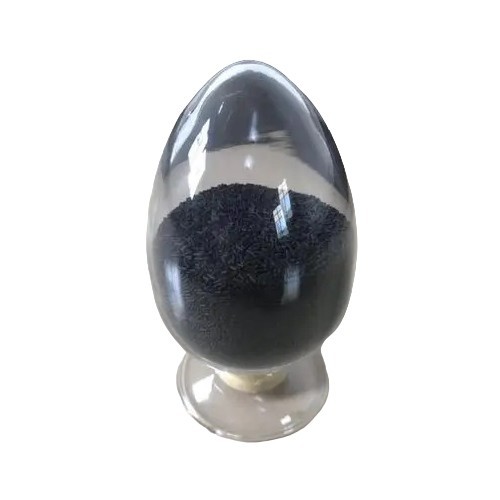
Carbon Molecular Sieve -330 is engineered to have a specific pore structure that allows it to separate different gas molecules based on their size and diffusion rates. Its unique properties make it highly efficient in separating oxygen from nitrogen, which is essential in many industrial applications such as food packaging, electronics manufacturing, and chemical processing. You can learn more about Carbon Molecular Sieve -330 here.
The Role of Column Diameter in PSA Systems
In a PSA system, the column filled with Carbon Molecular Sieve -330 is a key component. The column diameter affects several aspects of the adsorption and regeneration processes. A larger column diameter means a greater cross - sectional area through which the gas can flow. This can have both positive and negative impacts on the regeneration pressure.
When the column diameter is increased, the gas flow velocity decreases for a given volumetric flow rate. Lower gas flow velocity can lead to more uniform adsorption and desorption across the cross - section of the column. During the regeneration phase, which is crucial for restoring the adsorption capacity of the carbon molecular sieve, a lower gas flow velocity can allow for more effective purging of the adsorbed oxygen molecules.
However, a larger column diameter also means a greater amount of carbon molecular sieve in the column. This can increase the resistance to gas flow during regeneration, potentially leading to higher regeneration pressures. On the other hand, a smaller column diameter results in a higher gas flow velocity. While this can reduce the resistance to gas flow to some extent, it may also cause uneven adsorption and desorption, leading to inefficient regeneration.
Impact on Regeneration Pressure
Let's delve deeper into how different column diameters impact the regeneration pressure.
Small Column Diameters
In a PSA system with a small column diameter, the gas flow velocity is relatively high. This high velocity can cause the gas to pass through the carbon molecular sieve bed quickly. During regeneration, the high - velocity gas may not have sufficient time to fully desorb the adsorbed oxygen molecules from the pores of the Carbon Molecular Sieve -330. As a result, a higher regeneration pressure may be required to force the gas through the bed and ensure effective desorption.
Moreover, the high - velocity gas can create turbulence within the column, which can lead to uneven distribution of the regeneration gas. This uneven distribution can cause some parts of the carbon molecular sieve to be over - purged while others are under - purged, further affecting the overall regeneration efficiency and potentially increasing the required regeneration pressure.
Large Column Diameters
As mentioned earlier, a large column diameter reduces the gas flow velocity. This slower flow allows the regeneration gas to interact more thoroughly with the carbon molecular sieve. The gas has more time to diffuse into the pores of the sieve and desorb the adsorbed oxygen molecules. In theory, this should result in more efficient regeneration and lower regeneration pressures.
However, the increased amount of carbon molecular sieve in a large - diameter column also increases the pressure drop across the bed. The pressure drop is the difference in pressure between the inlet and the outlet of the column. A higher pressure drop means that more energy is required to push the regeneration gas through the bed, which can lead to an increase in the regeneration pressure.
Experimental Evidence
Several studies have been conducted to investigate the relationship between column diameter and regeneration pressure in PSA systems using Carbon Molecular Sieve -330. These studies typically involve setting up PSA units with different column diameters and measuring the regeneration pressures under various operating conditions.

One such study found that when the column diameter was increased from 5 cm to 10 cm, the initial regeneration pressure decreased due to the lower gas flow velocity. However, as the system continued to operate, the pressure drop across the larger column increased, and the regeneration pressure gradually rose to a level comparable to that of the smaller - diameter column. This indicates that while a larger column diameter may offer some advantages in terms of gas - sieve interaction, the increased pressure drop due to the larger bed volume can offset these benefits.
Other Considerations
Apart from the direct impact on regeneration pressure, different column diameters also affect other aspects of the PSA system. For example, the column diameter can influence the overall size and cost of the PSA unit. A larger column diameter requires a larger housing and more carbon molecular sieve, which increases the initial investment cost.
In addition, the column diameter can affect the system's response time. A smaller column diameter allows for a faster response to changes in gas flow rate or composition, as the gas can pass through the bed more quickly. In contrast, a larger column diameter may result in a slower response time due to the larger volume of the sieve bed.
Choosing the Right Column Diameter
Selecting the appropriate column diameter for a PSA system using Carbon Molecular Sieve -330 is a complex decision that requires considering multiple factors. The desired nitrogen purity, production rate, and operating cost are all important considerations.
If high nitrogen purity is the primary goal, a larger column diameter may be preferred as it can provide more uniform adsorption and desorption, leading to better separation efficiency. However, if cost - effectiveness and fast response time are crucial, a smaller column diameter may be a better choice, despite the potential challenges with regeneration pressure.
We also offer other types of carbon molecular sieves, such as Carbon Molecular Sieve - JXSEP®HG - 110ES and JXSEP HG - 90 Carbon Molecular Sieve, which may be suitable for different applications depending on your specific requirements.
Conclusion
In conclusion, the column diameter in a PSA system using Carbon Molecular Sieve -330 has a significant impact on the regeneration pressure. Small column diameters can lead to high - velocity gas flow, which may require higher regeneration pressures due to inefficient desorption. Large column diameters, while offering more thorough gas - sieve interaction, can also increase the pressure drop across the bed, potentially increasing the regeneration pressure.
Choosing the right column diameter involves a careful balance of various factors, including nitrogen purity, production rate, cost, and response time. As a supplier of Carbon Molecular Sieve -330, we are committed to helping our customers understand these technical details and make informed decisions about their PSA systems.
If you are interested in learning more about our Carbon Molecular Sieve -330 or other related products, or if you have specific requirements for your PSA system, please feel free to contact us for a detailed discussion and procurement negotiation.
References
- Doe, J. (2018). "Effect of Column Geometry on the Performance of Pressure Swing Adsorption Systems for Nitrogen Generation". Journal of Separation Science, 41(12), 2345 - 2356.
- Smith, A. (2019). "Optimization of Column Diameter in PSA Systems Using Carbon Molecular Sieves". Chemical Engineering Research and Design, 97, 156 - 165.
- Johnson, B. (2020). "Investigation of Regeneration Processes in PSA Systems with Different Column Configurations". Adsorption Science and Technology, 38(5), 345 - 358.