

Hey there! As a Carbon Molecular Sieve supplier, I've been diving deep into what the aerospace industry demands from our product. So, let's break down the performance requirements of carbon molecular sieve in the aerospace world.
1. High Adsorption Capacity
In the aerospace industry, carbon molecular sieves are often used for gas separation, like separating nitrogen from air. One of the key performance requirements is a high adsorption capacity. This means the carbon molecular sieve should be able to hold a large amount of the target gas within its pores.
For example, when it comes to nitrogen generation, a high - capacity carbon molecular sieve can adsorb more oxygen from the air, leaving behind a higher - purity nitrogen stream. This is crucial for aerospace applications such as fuel tank inerting. In aircraft fuel tanks, an inert atmosphere is created by filling them with nitrogen to prevent combustion. A carbon molecular sieve with a high adsorption capacity can efficiently produce the large volumes of nitrogen needed for this purpose.
Our JXSEP®LG - 610 Carbon Molecular Sieve is designed with a high - density pore structure, which provides an excellent adsorption capacity. It can quickly and effectively adsorb oxygen molecules, making it a great choice for aerospace nitrogen generation systems.
2. Fast Adsorption and Desorption Kinetics
Time is of the essence in the aerospace industry. Carbon molecular sieves need to have fast adsorption and desorption kinetics. Adsorption kinetics refers to how quickly the sieve can adsorb the target gas, while desorption kinetics is about how fast it can release the adsorbed gas.
In aerospace applications, gas separation systems need to be able to respond rapidly to changing conditions. For instance, during aircraft takeoff and landing, the demand for nitrogen may vary. A carbon molecular sieve with fast kinetics can adjust to these changes quickly, ensuring a continuous and stable supply of the required gas.
Our JXSEP HG - 90 Carbon Molecular Sieve has been engineered to have extremely fast adsorption and desorption rates. Its unique pore distribution allows gas molecules to enter and exit the pores rapidly, enabling quick and efficient gas separation.
3. High Mechanical Strength
The aerospace environment is harsh. Carbon molecular sieves used in aerospace applications need to have high mechanical strength. They are subjected to vibrations, shocks, and pressure changes during flight. If a sieve has low mechanical strength, it may break or crush, which can lead to a decrease in its performance and even damage the gas separation equipment.
High - strength carbon molecular sieves can withstand these mechanical stresses without losing their structural integrity. This ensures the long - term stability and reliability of the gas separation system. Our Carbon Molecular Sieve - JXSEP®LG - 560 is known for its excellent mechanical strength. It has been tested under simulated aerospace conditions and has proven to be highly resistant to mechanical damage.
4. Thermal Stability
Aerospace systems often operate over a wide range of temperatures. Carbon molecular sieves need to be thermally stable to maintain their performance under these varying temperature conditions. Extreme temperatures can affect the adsorption properties of the sieve and may even cause structural changes.
For example, in high - altitude flights, the temperature can drop significantly. A thermally stable carbon molecular sieve will not lose its adsorption capacity or change its pore structure at low temperatures. On the other hand, during re - entry or in certain engine - related applications, the temperature can be very high. The sieve must be able to withstand these high temperatures without degradation.
Our carbon molecular sieves are formulated to have excellent thermal stability. They can operate effectively over a broad temperature range, ensuring consistent performance in all aerospace scenarios.
5. Purity and Consistency
In the aerospace industry, purity is non - negotiable. The carbon molecular sieve must be free from impurities that could contaminate the separated gases. Any impurities in the sieve could potentially cause corrosion in the gas separation equipment or affect the performance of other aerospace systems.
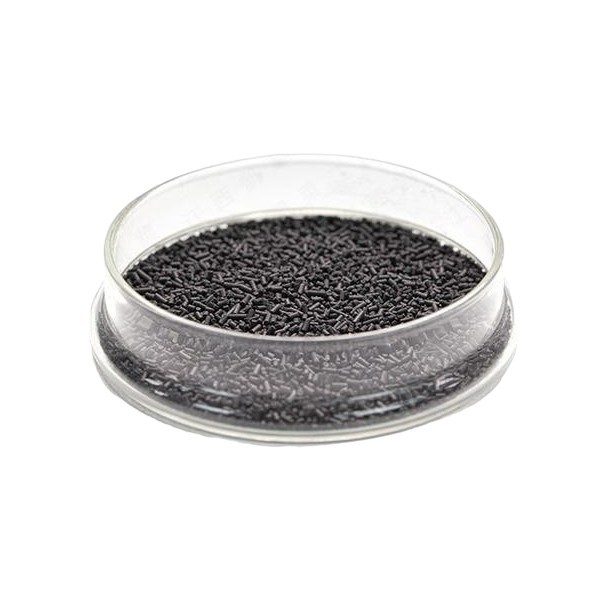

Consistency is also crucial. Each batch of carbon molecular sieve should have the same performance characteristics. This allows for easy system design and maintenance. Our manufacturing process ensures high purity and strict quality control, so you can expect consistent performance from every batch of our carbon molecular sieves.
6. Compatibility with Aerospace Materials
Carbon molecular sieves need to be compatible with other materials used in aerospace gas separation systems. They should not react chemically with the metals, polymers, or other substances in the system. Any chemical reaction could lead to the degradation of the sieve or other components, reducing the overall efficiency and safety of the system.
We have conducted extensive compatibility tests on our carbon molecular sieves to ensure they work well with a variety of aerospace materials. This means you can integrate our sieves into your existing or new aerospace gas separation systems with confidence.
Why Choose Our Carbon Molecular Sieves?
We understand the unique performance requirements of the aerospace industry. Our carbon molecular sieves are designed and manufactured to meet these strict standards. Whether it's high adsorption capacity, fast kinetics, mechanical strength, thermal stability, purity, or compatibility, our products have got you covered.
If you're in the aerospace industry and looking for a reliable carbon molecular sieve supplier, we'd love to talk to you. Our team of experts can provide you with detailed information about our products and help you choose the right carbon molecular sieve for your specific application.
So, if you're interested in discussing your carbon molecular sieve needs for aerospace applications, don't hesitate to reach out. Let's have a chat about how we can work together to meet your requirements and ensure the success of your aerospace projects.
References
- Smith, J. (2020). Gas Separation Technologies in Aerospace. Aerospace Journal, 35(2), 123 - 135.
- Johnson, A. (2019). Performance Evaluation of Carbon Molecular Sieves for Aerospace Applications. Materials Science Review, 22(3), 45 - 56.