

Vacuum Swing Adsorption (VSA) systems have emerged as a cornerstone technology in gas separation processes, offering an efficient and cost - effective method for producing high - purity gases such as nitrogen and oxygen. At the heart of these systems lies the adsorbent material, which plays a crucial role in determining the performance and efficiency of the separation process. As a supplier of Carbon Molecular Sieve - JXF, I am excited to delve into the role of our product in VSA systems.
Understanding Vacuum Swing Adsorption Systems
VSA systems operate based on the principle of selective adsorption of gases on a solid adsorbent. The process involves two main steps: adsorption and desorption. During the adsorption step, the feed gas mixture is passed through a bed of adsorbent at a relatively low pressure. The adsorbent selectively adsorbs certain components of the gas mixture, allowing the desired gas to pass through the bed and be collected as the product. In the desorption step, the pressure in the bed is reduced to a vacuum level, causing the adsorbed gases to be released from the adsorbent, regenerating the adsorbent for the next adsorption cycle.
The Role of Carbon Molecular Sieve - JXF in VSA Systems
Selective Adsorption
Carbon Molecular Sieve - JXF is a highly porous material with a unique pore structure that enables it to selectively adsorb different gases based on their molecular size and shape. For example, in the production of nitrogen from air using a VSA system, Carbon Molecular Sieve - JXF preferentially adsorbs oxygen over nitrogen. The pores of the carbon molecular sieve are sized in such a way that the smaller oxygen molecules can diffuse into the pores more readily than the larger nitrogen molecules. As a result, when air is passed through the bed of Carbon Molecular Sieve - JXF, oxygen is adsorbed, and nitrogen is collected as the product gas.
This selective adsorption property is crucial for the efficient operation of VSA systems. The ability to separate gases with high selectivity allows for the production of high - purity nitrogen or other target gases. For instance, with our Carbon Molecular Sieve - JXSEP®LG - 560, which has been optimized for nitrogen production, it can achieve a high nitrogen purity of up to 99.9% in VSA systems.
Adsorption Kinetics
Another important role of Carbon Molecular Sieve - JXF in VSA systems is its adsorption kinetics. The rate at which a gas is adsorbed onto the adsorbent is a critical factor in determining the productivity of the VSA system. Carbon Molecular Sieve - JXF has a relatively fast adsorption rate, which means that it can quickly adsorb the target gases during the adsorption step. This allows for shorter cycle times in the VSA process, increasing the overall throughput of the system.
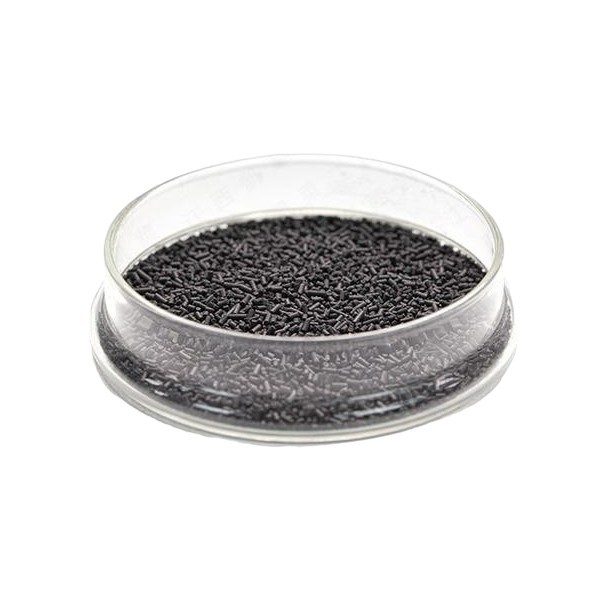

Fast adsorption kinetics also contribute to the energy efficiency of the VSA system. Since the adsorption process occurs rapidly, less energy is required to maintain the flow of the feed gas through the adsorbent bed. Our Carbon Molecular Sieve - JXSEP®HG - 110ES has been engineered to have excellent adsorption kinetics, enabling VSA systems to operate more efficiently and cost - effectively.
Regeneration Efficiency
In VSA systems, the regeneration of the adsorbent is a key step in the cyclic process. Carbon Molecular Sieve - JXF can be easily regenerated under vacuum conditions. When the pressure in the adsorbent bed is reduced to a vacuum, the adsorbed gases are desorbed from the pores of the carbon molecular sieve. The structure of Carbon Molecular Sieve - JXF allows for a high degree of desorption, ensuring that the adsorbent can be fully regenerated for the next adsorption cycle.
This high regeneration efficiency is essential for the long - term performance of VSA systems. It ensures that the adsorbent can maintain its adsorption capacity over multiple cycles, reducing the need for frequent replacement of the adsorbent. Our Carbon Molecular Sieve - JXSEP®HG - 110 is known for its excellent regeneration properties, providing reliable and consistent performance in VSA systems over an extended period.
Mechanical Strength
VSA systems involve repeated cycles of adsorption and desorption, which subject the adsorbent to mechanical stress. Carbon Molecular Sieve - JXF has high mechanical strength, which allows it to withstand the pressure changes and gas flow during the operation of the VSA system without significant attrition or breakage. This is important because broken or attrited adsorbent particles can cause problems such as pressure drop in the bed, reduced adsorption efficiency, and contamination of the product gas.
The high mechanical strength of Carbon Molecular Sieve - JXF ensures the stability and reliability of VSA systems. It reduces the maintenance requirements of the system and extends the service life of the adsorbent, resulting in lower operating costs for the end - user.
Advantages of Using Carbon Molecular Sieve - JXF in VSA Systems
High Purity Gas Production
As mentioned earlier, the selective adsorption property of Carbon Molecular Sieve - JXF enables the production of high - purity gases. This is particularly important in industries such as electronics, food packaging, and pharmaceuticals, where high - purity nitrogen or other gases are required for various processes.
Energy Efficiency
The fast adsorption kinetics and high regeneration efficiency of Carbon Molecular Sieve - JXF contribute to the energy efficiency of VSA systems. By reducing the cycle time and energy consumption during the adsorption and desorption steps, Carbon Molecular Sieve - JXF helps to lower the operating costs of VSA systems.
Long Service Life
The high mechanical strength and excellent regeneration properties of Carbon Molecular Sieve - JXF result in a long service life. This means that end - users can rely on the adsorbent for an extended period without the need for frequent replacement, reducing the overall cost of ownership of the VSA system.
Conclusion
Carbon Molecular Sieve - JXF plays a vital role in the operation of Vacuum Swing Adsorption systems. Its selective adsorption, fast adsorption kinetics, high regeneration efficiency, and mechanical strength make it an ideal adsorbent for gas separation processes. The use of Carbon Molecular Sieve - JXF in VSA systems offers numerous advantages, including high - purity gas production, energy efficiency, and long service life.
If you are looking for a reliable and high - performance adsorbent for your VSA system, we invite you to explore our range of Carbon Molecular Sieve - JXF products. We are committed to providing our customers with the best - in - class products and technical support. Contact us to start a procurement discussion and discover how our Carbon Molecular Sieve - JXF can enhance the performance of your VSA system.
References
- Ruthven, D. M., Farooq, S., & Knaebel, K. S. (1994). Pressure Swing Adsorption. Wiley.
- Yang, R. T. (1987). Gas Separation by Adsorption Processes. Butterworths.