

A carbon molecular sieve (CMS) - based adsorption system is a key player in various industrial processes, especially in gas separation. As a CMS supplier, I've seen firsthand how these systems work and what makes them tick. Let's break down the main components of a CMS - based adsorption system.
Carbon Molecular Sieve
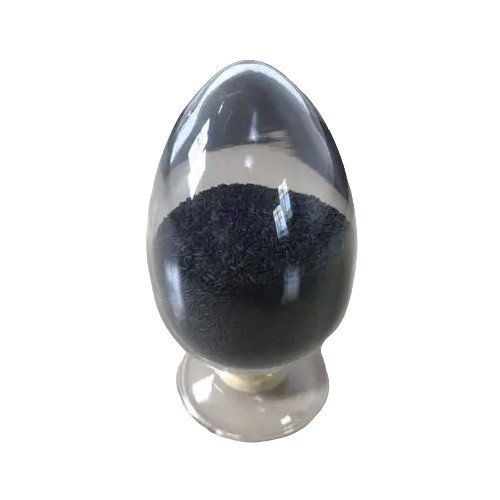
The star of the show is, of course, the carbon molecular sieve itself. CMS is a porous material with a unique pore structure that allows it to selectively adsorb different gases based on their molecular size and shape.
We offer a few top - notch products. For example, the Carbon Molecular Sieve - JXSEP®HG - 110ES is great for high - purity nitrogen production. It has a high adsorption capacity and excellent separation efficiency. The Carbon Molecular Sieve - JXSEP®LG - 560 is another option. It's designed for applications where you need a more cost - effective solution without sacrificing too much on performance. And then there's the Carbon Molecular Sieve - JXSEP®HG - 110, which offers a good balance between adsorption capacity and durability.
The quality of the CMS is super important. A good CMS should have a narrow pore size distribution, high mechanical strength, and long service life. If the pore size distribution is too wide, it won't be able to separate gases as effectively. And if the mechanical strength is low, the CMS can break down during operation, leading to a decrease in performance and an increase in maintenance costs.

Adsorption Vessels
Adsorption vessels are where the magic happens. These are large containers that hold the carbon molecular sieve. They are usually made of high - quality steel to withstand the pressure and temperature changes during the adsorption process.
There are two main types of adsorption vessels: single - bed and double - bed. Single - bed vessels are simpler and cheaper, but they have a lower gas production rate. Double - bed vessels, on the other hand, can operate continuously by alternating between adsorption and regeneration cycles. This allows for a more consistent gas output.
The design of the adsorption vessel also matters. It should have a proper distribution system to ensure that the gas flows evenly through the CMS. If the gas flow is uneven, some parts of the CMS may be over - utilized while others are under - utilized, which can reduce the overall efficiency of the system.
Gas Inlet and Outlet Pipes
The gas inlet and outlet pipes are responsible for bringing the raw gas into the adsorption vessel and taking the purified gas out. These pipes need to be made of materials that are resistant to corrosion and can handle the pressure of the gas.
The size of the pipes is also crucial. If the pipes are too small, they can cause a high pressure drop, which means more energy is needed to push the gas through the system. On the other hand, if the pipes are too large, it can lead to inefficient gas flow and a waste of space.
Valves
Valves play a vital role in controlling the flow of gas in the adsorption system. There are different types of valves used, such as on - off valves, control valves, and check valves.
On - off valves are used to start and stop the flow of gas. Control valves are used to regulate the pressure and flow rate of the gas. Check valves are used to prevent the backflow of gas, which can damage the system.
The quality of the valves is important. They need to be reliable and able to withstand the high - pressure and high - temperature conditions in the system. Using low - quality valves can lead to leaks, malfunctions, and even safety hazards.
Pressure and Temperature Sensors
Pressure and temperature sensors are used to monitor the operating conditions of the adsorption system. They provide real - time data on the pressure and temperature inside the adsorption vessel, which helps in ensuring the safe and efficient operation of the system.
If the pressure or temperature goes beyond the normal range, it can indicate a problem with the system, such as a blockage or a malfunctioning valve. By monitoring these parameters, operators can take corrective actions before the problem gets worse.
Regeneration System
The regeneration system is used to remove the adsorbed gases from the carbon molecular sieve so that it can be reused. There are two main methods of regeneration: pressure swing adsorption (PSA) and temperature swing adsorption (TSA).
In PSA, the pressure inside the adsorption vessel is reduced, which causes the adsorbed gases to desorb from the CMS. This is a relatively fast and energy - efficient method. TSA, on the other hand, involves heating the CMS to a high temperature to desorb the gases. This method is more effective for removing strongly adsorbed gases, but it consumes more energy.
Control System
The control system is the brain of the adsorption system. It is responsible for coordinating the operation of all the components, such as opening and closing the valves, monitoring the sensors, and controlling the regeneration process.
A good control system should be user - friendly and easy to operate. It should also be able to provide detailed information about the system's performance, such as gas production rate, purity, and energy consumption. This allows operators to optimize the system's operation and make informed decisions.
Conclusion
A carbon molecular sieve - based adsorption system is a complex but highly effective solution for gas separation. Each component plays a crucial role in the overall performance of the system. As a CMS supplier, we understand the importance of providing high - quality products and ensuring that all the components work together seamlessly.
If you're in the market for a carbon molecular sieve or need help with your adsorption system, don't hesitate to reach out. We're here to offer you the best solutions and support for your gas separation needs. Contact us to start a procurement discussion and find out how we can meet your specific requirements.
References
- Ruthven, D. M. (1984). Principles of Adsorption and Adsorption Processes. John Wiley & Sons.
- Yang, R. T. (1987). Gas Separation by Adsorption Processes. Butterworth Publishers.