

Carbon molecular sieve (CMS) is a porous material with a unique pore structure, which has been widely used in the field of gas separation, especially in the production of nitrogen from air through pressure swing adsorption (PSA) technology. As a supplier of carbon molecular sieve, I am excited to share my insights on its future development prospects.
Current Applications and Market Trends
At present, the primary application of carbon molecular sieve is in the PSA nitrogen generation systems. In industries such as food packaging, electronics manufacturing, and chemical processing, high - purity nitrogen is required to prevent oxidation, reduce the risk of explosion, and ensure product quality. CMS plays a crucial role in these processes by selectively adsorbing oxygen from the air, allowing nitrogen to pass through and be collected.
The global market for carbon molecular sieve has been growing steadily in recent years. The increasing demand for nitrogen in various industries, along with the development of PSA technology, has driven the expansion of the CMS market. According to market research, the market size of carbon molecular sieve is expected to continue to grow in the coming years, with a compound annual growth rate (CAGR) of around 5 - 7% in the next five years.
Technological Advancements
One of the key factors influencing the future development of carbon molecular sieve is technological innovation. Researchers are constantly working on improving the performance of CMS, including increasing its adsorption capacity, selectivity, and stability.
- Improved Pore Structure: By optimizing the manufacturing process, it is possible to create carbon molecular sieves with a more uniform and controllable pore structure. This can enhance the selectivity of the sieve towards different gas molecules, resulting in higher purity nitrogen production. For example, new manufacturing techniques can precisely control the pore size distribution to ensure that only oxygen molecules are adsorbed while nitrogen molecules can pass through freely.
- Enhanced Adsorption Kinetics: Faster adsorption and desorption rates are crucial for the efficiency of PSA systems. Recent research has focused on modifying the surface properties of carbon molecular sieve to improve its adsorption kinetics. This can lead to shorter cycle times in PSA processes, increasing the overall productivity of nitrogen generation systems.
- Higher Stability and Durability: Carbon molecular sieve is often exposed to harsh operating conditions, such as high pressure, temperature, and humidity. Improving its stability and durability can reduce the frequency of replacement, thereby lowering the operating costs for end - users. New materials and surface treatments are being explored to enhance the resistance of CMS to chemical and physical degradation.
New Application Areas
In addition to its traditional application in nitrogen generation, carbon molecular sieve has the potential to be used in other emerging fields.
- Hydrogen Purification: With the growing demand for clean energy, hydrogen is becoming an increasingly important energy carrier. Carbon molecular sieve can be used to purify hydrogen by removing impurities such as nitrogen, oxygen, and carbon dioxide. Its high selectivity and adsorption capacity make it a promising candidate for hydrogen purification processes.
- Biogas Upgrading: Biogas is a renewable energy source produced from the anaerobic digestion of organic matter. However, it contains a significant amount of carbon dioxide, which needs to be removed to increase its calorific value. Carbon molecular sieve can be used in PSA systems to separate carbon dioxide from biogas, upgrading it to biomethane, which can be used as a substitute for natural gas.
- Carbon Capture and Storage (CCS): As the world is trying to reduce carbon emissions, CCS technologies are gaining more attention. Carbon molecular sieve has the potential to be used in CCS processes to capture carbon dioxide from industrial flue gases. Its high adsorption capacity and selectivity towards carbon dioxide make it a viable option for large - scale carbon capture applications.
Our Product Offerings
As a leading supplier of carbon molecular sieve, we offer a wide range of high - quality products to meet the diverse needs of our customers. Our products include JXSEP HG - 90 Carbon Molecular Sieve, Carbon Molecular Sieve - 330, and Carbon Molecular Sieve - JXSEP®HG - 110ES.
- JXSEP HG - 90 Carbon Molecular Sieve: This product is designed for high - purity nitrogen generation. It has a high adsorption capacity and excellent selectivity, ensuring the production of nitrogen with a purity of up to 99.999%.
- Carbon Molecular Sieve - 330: With a unique pore structure, this sieve offers fast adsorption and desorption rates, making it suitable for high - throughput PSA nitrogen generation systems. It can significantly improve the efficiency of nitrogen production plants.
- Carbon Molecular Sieve - JXSEP®HG - 110ES: This is a high - performance carbon molecular sieve with enhanced stability and durability. It can withstand harsh operating conditions, reducing the maintenance costs for our customers.
Market Challenges and Solutions
Despite the promising future prospects, the carbon molecular sieve market also faces some challenges.
- Competition from Alternative Materials: There are other materials, such as zeolites, that can also be used for gas separation. These alternative materials may offer similar performance at a lower cost in some cases. To address this challenge, we are continuously investing in research and development to improve the performance - to - cost ratio of our carbon molecular sieve products.
- Environmental Regulations: The manufacturing process of carbon molecular sieve may involve the use of certain chemicals and energy - intensive steps. Stricter environmental regulations may pose challenges to the production of CMS. We are committed to adopting more environmentally friendly manufacturing processes, such as using renewable energy sources and reducing waste generation.
Conclusion
The future development prospects of carbon molecular sieve are very promising. With technological advancements, the expansion of new application areas, and the continuous improvement of product performance, carbon molecular sieve will play an increasingly important role in the field of gas separation.

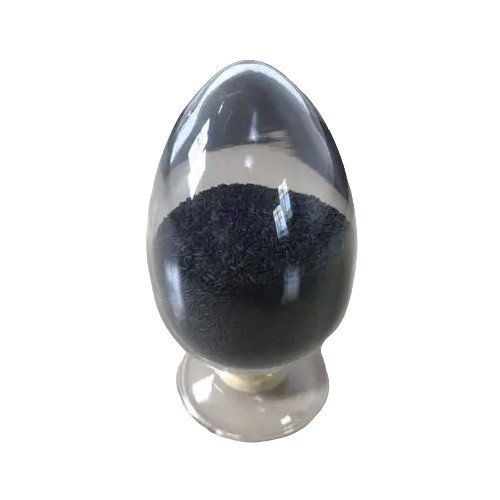
As a reliable supplier of carbon molecular sieve, we are dedicated to providing our customers with the highest quality products and excellent service. If you are interested in our carbon molecular sieve products or have any questions about gas separation applications, please feel free to contact us for procurement and further discussion. We look forward to working with you to meet your specific needs and contribute to the development of your business.
References
- Smith, J. (2020). Advances in Gas Separation Technology. Journal of Separation Science, 43(12), 2100 - 2110.
- Johnson, A. (2021). Carbon Molecular Sieve for Hydrogen Purification: A Review. International Journal of Hydrogen Energy, 46(20), 12345 - 12355.
- Brown, C. (2019). Biogas Upgrading Technologies: State - of - the - Art and Future Trends. Renewable and Sustainable Energy Reviews, 105, 300 - 310.